
Scoliosis Treatment in San Diego
We help teens and adults manage scoliosis with precise, gentle chiropractic that improves posture, comfort, and function.
What We Treat
Scoliosis affects more than your spine. Here's how we address the symptoms you actually feel.
Spinal Curvature & Postural Shift
Structural imbalances from scoliosis create strain through the back, ribs, and pelvis. Adjustments support spinal balance and smoother motion, helping the body move efficiently with less compensation.
Uneven Shoulders or Hips
Shoulder and hip asymmetry affects balance, gait, and comfort. Care realigns the spine and pelvis to improve symmetry and stability, so movement feels more natural and controlled.
Stiffness & Reduced Flexibility
Scoliosis often limits motion and creates tightness near the spine and ribs. Gentle mobilization restores flexibility and takes pressure off restricted areas, making daily movement comfortable.
Chronic Muscle Tightness
One-sided tightness from scoliosis leads to pain, fatigue, and muscle overuse. Adjustments and Active Release Technique (ART) address these patterns to restore balance across both sides of the body.
Back Fatigue & Discomfort
Long days of standing, walking, or sitting trigger scoliosis-related back fatigue. Targeted adjustments support alignment and muscle function to build endurance through the day.
Preventive Care for Teens
Early-stage care for growing teens supports posture, alignment, and spinal development through growth years. Our pediatric chiropractic care is gentle, personalized, and matched to the developing spine.
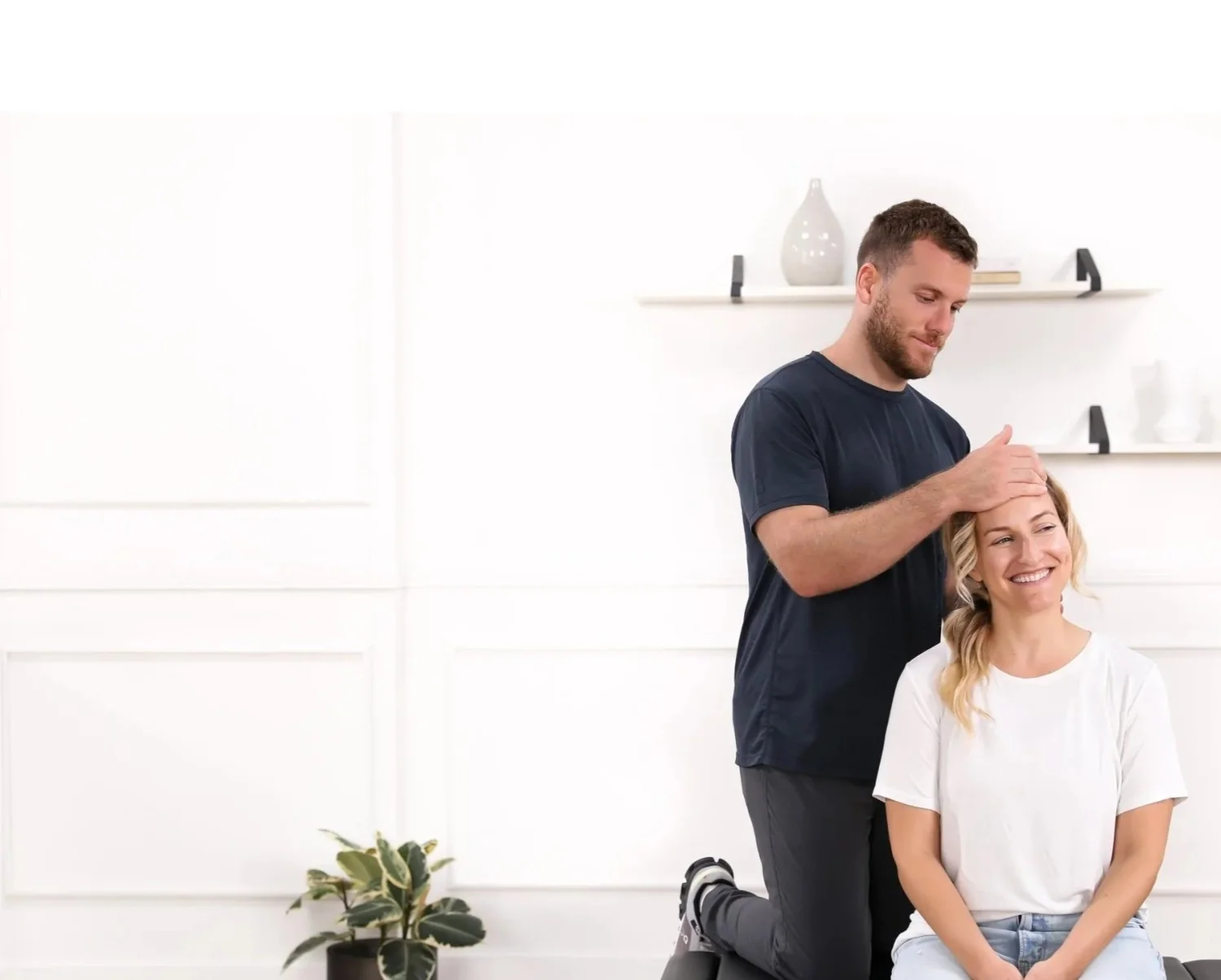
Your Scoliosis Care Is Personal Here
At 22, Dr. Yossi Stein suffered a serious injury that changed how he practices. He knows what it feels like to be the one on the table, uncertain, frustrated, hoping this time will be different.
That memory shapes how scoliosis care runs here. It requires patience and precision, and every visit is with the same doctor.
The evaluation covers the curve, movement patterns, and the compensations that form around it. The goal of care is better function: a body that moves better, hurts less, and works closer to the way it was designed.
Stein Chiropractic started in La Jolla in 1991. The practice moved to Clairemont, but the standard never changed: precise hands, honest conversation, real results.
How We Treat Scoliosis
Three specific techniques, each adapted to your curve and your body.
Chiropractic Adjustments
Gentle, scoliosis-safe adjustments improve alignment and motion. Each correction is calibrated to the curve and the joints around it. Never forceful, always precise.
Joint Mobilization
Low-force mobilization techniques increase range of motion in restricted areas while avoiding stress on the curve. This supports comfort and movement without aggressive manipulation.
Active Release Technique
Active Release Technique (ART) addresses muscle and fascial restrictions common with scoliosis. Working on overworked tissues on the compressed side improves movement and promotes spinal symmetry.
Understanding Scoliosis
Most adult scoliosis patients who walk into the practice are not there because of the curve itself. They are there because the postural distortions that formed around it have finally caught up with them.
Scoliosis is a lateral curvature of the spine that affects roughly 3% of the population. It shows up across three patient profiles. The teen flagged at a routine screening, the adult managing it since high school, and the older patient whose curve appeared with age.
The curve itself is rarely the daily complaint. The real driver is the muscular pattern that develops around it. The body adapts to lateral curvature by recruiting muscles on one side more than the other.
This pattern produces what patients actually feel: chronic one-sided tightness, fatigue that builds through the day, and overlap with chronic back pain from compensatory posture.
How Care Interrupts the Pattern
What chiropractic care does well in scoliosis is interrupt the muscular pattern around the curve. Targeted adjustments restore motion in the joints that have stopped moving. Soft tissue work addresses the overworked side.
The home exercises matched to your specific curve direction are the third piece. They keep the pattern from re-establishing between visits. That gap is where most progress is lost in adults managing scoliosis on their own.
The overlap with neck pain shows up in adults whose upper body has spent decades compensating for the curve below. Care addresses the whole pattern, not just the curve.
Understanding the Cobb Angle
The Cobb angle is the standard measurement of spinal curvature, taken from an X-ray. It tells you how significant the curve is and guides what care looks like.
The most common range. Often picked up at a school screening or pediatrician visit. Monitoring, posture work, and chiropractic care support mobility and reduce compensatory tightness.
Symptoms become more noticeable: fatigue, uneven posture, one-sided pain. Care focuses on the muscle and joint patterns that form around the curve and may work alongside bracing or therapy.
Often co-managed with orthopedic specialists. Chiropractic care addresses mobility, comfort, and the surrounding tissue restrictions that accumulate over years of living with a significant curve.
If you don't know your Cobb angle, an evaluation can identify whether imaging is appropriate and what the right starting point is for your case.
The Adam's Forward Bend Test
A simple at-home check used by pediatricians and school screenings. Stand with feet together, knees straight, and bend forward at the waist with arms hanging loose. Have someone view the back from behind.
What to look for
- A rib arch or bulge on one side of the upper back when bent forward.
- Uneven shoulder heights or one shoulder blade more prominent than the other.
- Uneven waistline or one hip sitting higher than the other.
- Head not sitting centered directly over the pelvis when standing upright.
If any of these are present, a clinical evaluation is worth the visit. The screening flags asymmetry, but an exam confirms whether scoliosis is the cause.
What to Expect
A first visit begins with Dr. Yossi Stein evaluating posture, range of motion, and curve characteristics. Care is shaped by your spine, your history, and your goals, adjusted to what your body needs the day you walk in.
Scoliosis patients tend to do best with consistent, sustained care. Function improves and discomfort drops when the body is adjusted consistently rather than in isolated flare-up visits.
Real Patients. Real Relief.
Hear from people who came in with scoliosis and left feeling different.
I've got scoliosis and he's been awesome.
Helped me out a bunch with my scoliosis, eased the pain a ton! Overall amazing experience!
I was diagnosed with scoliosis when I was a child. Since then, I've had pain and discomfort on and off for the past two decades. After just one visit, I felt a significant shift in my spine and nervous system. I could not recommend him enough.
Ready to Move Without Thinking About Your Curve?
If you've been managing scoliosis on your own, stretching, adjusting how you sit, hoping it doesn't get worse, you've done enough. Walk in when you're ready. No appointment needed, no referral required. We're here.
Or call us: 858.587.7000