CrossFit & Gym Athlete Chiropractic in Clairemont
Shoulder, low back, and elbow care for lifters and CrossFit athletes. Most can stay in their training week. Call ahead for a same-day visit in San Diego.
Office hours Mon to Fri. Call ahead.

A chiropractor who trains
Most lifting problems are not a single injury. They develop gradually, over months of training.
Dr. Stein lifts and runs, and has covered ultramarathon distance. He works with lifters and gym athletes across San Diego.
Before chiropractic, he worked as an EMT and ski patroller. He went through his own injury and recovery, guided by his father, Dr. Richard Stein, who founded the practice in 1991.
The chiropractor who examines you is the one who treats you.
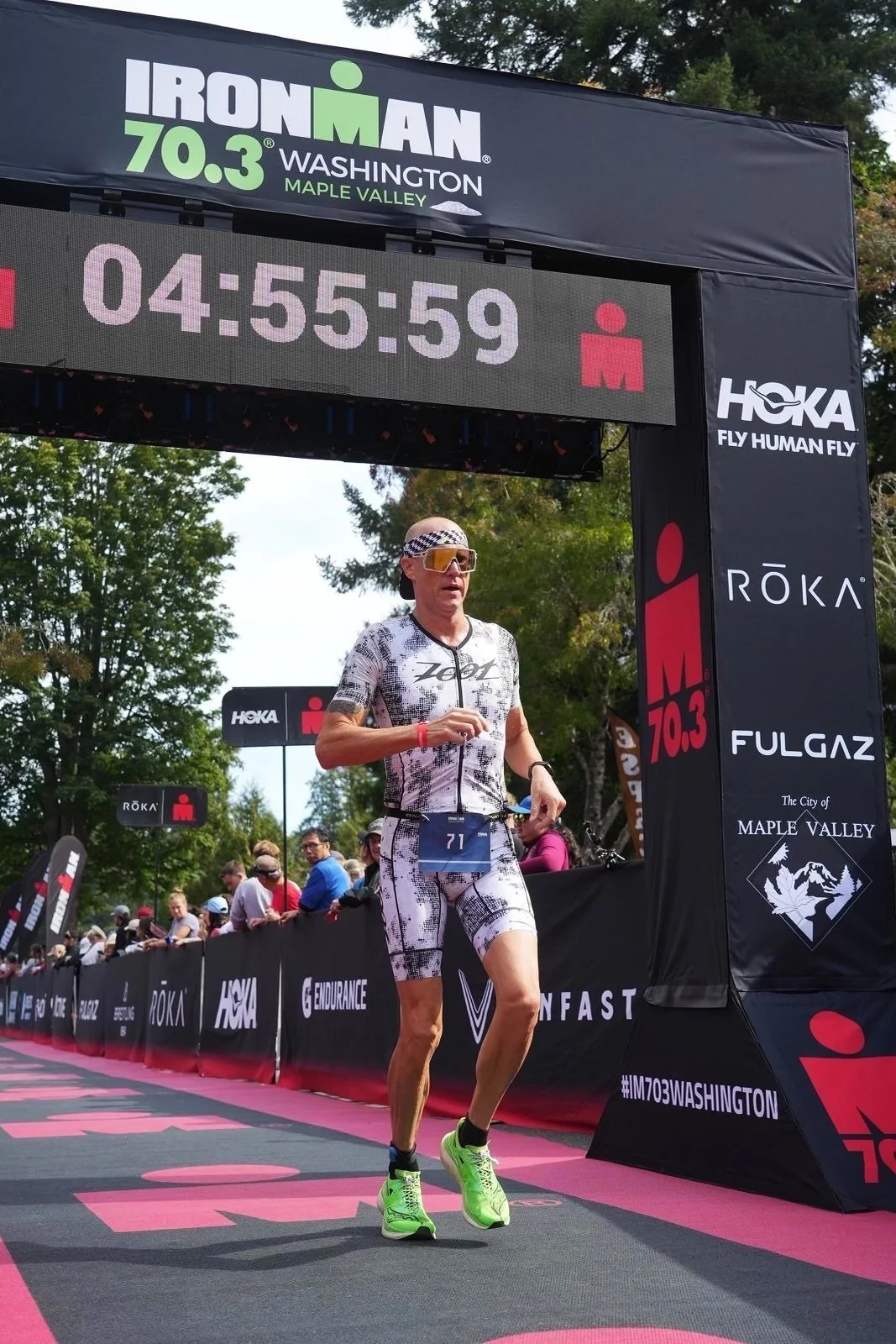
Dr. Stein is fantastic and an integral component to my overall health and fitness protocol. As an athlete, I can put a lot of wear and tear on my body, especially nearing 50 year, and Dr. Stein helps me maintain optimal performance and keep on moving forward!
Andre R. Google review
Position by position
From overhead to the bottom of the squat, each position asks a different set of joints to move. When one is restricted, the others make up the difference, and that is often where it hurts.
Overhead
Shoulders, mid back, neck
Snatches, jerks, and handstand push-ups ask the shoulder, the shoulder blade, and the mid back to move together. When overhead work brings on shoulder pain, a catch or a pinch at the top, the exam checks all three.
On the rig
Elbows, forearms, grip
Pull-ups, toes-to-bar, and muscle-ups hang your full weight from the grip. Sore elbows and a grip that fades early often trace back through the wrist, shoulder, and neck. Numbness or tingling in the hand is worth mentioning at the exam.
Front rack
Wrists, upper back
Cleans, front squats, and thrusters need wrists that extend and an upper back that stays tall. When either is stiff, the elbows drop, and the neck and traps tend to work harder to hold the bar.
Off the floor
Low back
Deadlifts, cleans, and kettlebell swings start at the hinge. Low back tightness that keeps returning after pulling days is often joint-driven before it becomes muscular.
Bottom of the squat
Hips, knees, ankles
A deep squat needs the hips, knees, and ankles to bend together. When an ankle or hip is restricted, full depth is difficult to reach, and the low back tends to round to find it.
How it's treated
Three methods, matched to what the exam finds.
- Chiropractic adjustments
- Restore motion in the spine and shoulder girdle.
- Joint mobilization
- For wrists, elbows, hips, and ankles that are stiff or guarded.
- Active Release Technique (ART)
- Addresses the soft tissue restrictions that build up between heavy sessions.
There is more in our post on chiropractic benefits for CrossFit athletes.
What a first visit includes
Their care helped me get back to the gym and working out pain free. It was very easy booking an appointment and I rarely waited to be seen. This made it convenient to get adjusted without interrupting my work schedule.
Blake E. Google review
Call ahead, or book online
First visits are scheduled. Call and we'll hold a time for you, often the same day. Book online and we'll confirm your time. After that, walk in whenever we're open.
History and movement exam
Your training, old injuries, and the positions that bother you come first. Then a movement exam finds what is restricted.
A plain explanation
What the exam shows, what care would involve, and what it means for your training week.
Care begins
When care is the right call, it starts at this visit. You leave knowing what to do before your next session.
Not needed: a referral, pre-authorization, or forms afterward.
A first visit usually takes about twenty minutes.
Before you book
Do I have to stop training?
Usually not.
Most athletes can stay in their training week, with care matched to where the body is that day. If a lift should wait, we'll say which one.
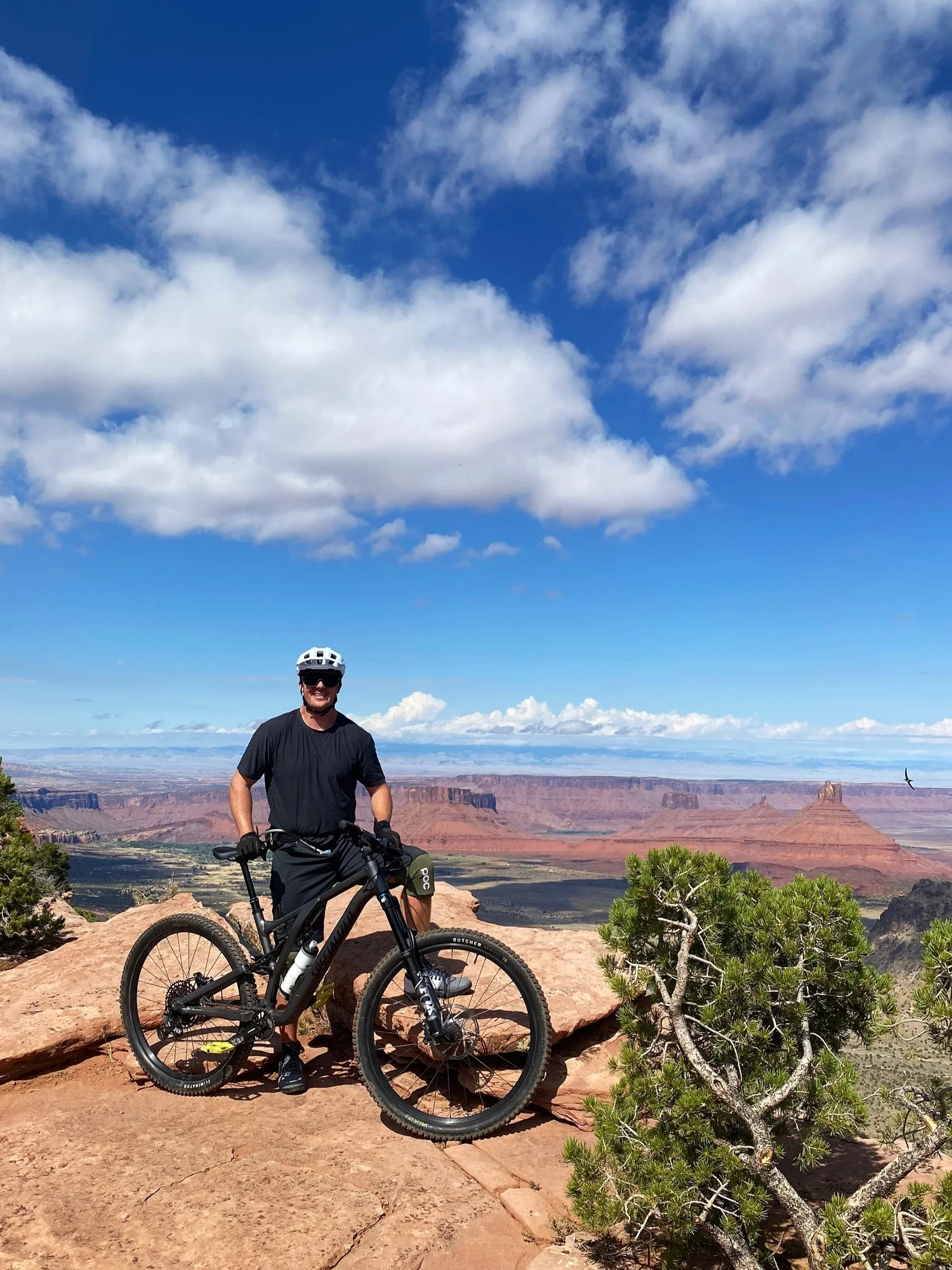
Every time I leave the office, I feel so much better in every way, it really is a refresh for my body and soul. Dr. Stein is so caring and makes me feel so taken care of and lifts my spirits as well as relaxes and helps my body recover after tough workouts or just stressful days.
Adam S. Google review
Do I need imaging first?
No.
If you already have imaging, bring it. If the exam points to needing more, we'll tell you plainly.
How often will I need to come in?
You'll know after the first visit.
The exam sets the plan, and you'll hear it that day. For athletes who come in regularly, the monthly membership can be cancelled any time.
What does it cost?
$150 for the first visit.
That covers the exam, the explanation, and care that day when it's the right call.
We don't bill insurance. HSA and FSA cards are accepted. Follow-up rates are on our new patient page.
What if this isn't something you treat?
If the exam shows this isn't something we should be treating, there's no charge for the visit.
Some situations call for hospital-level evaluation first. If you're unsure, call and we'll help you route correctly.
Stay in your training week
Lighter bars, skipped movements, a longer warm-up every week.
That is training around it, and most lifters do it first. When you're ready to have it looked at, call and we'll hold a time for you, or book online.
Office hours Mon to Fri. Call ahead.
5450 F Clairemont Mesa Blvd, San Diego, CA 92117. Complimentary parking out front.